 Marginly.
Winter is a different language
What changes in a landscape when everything is white, and how to learn to read it.

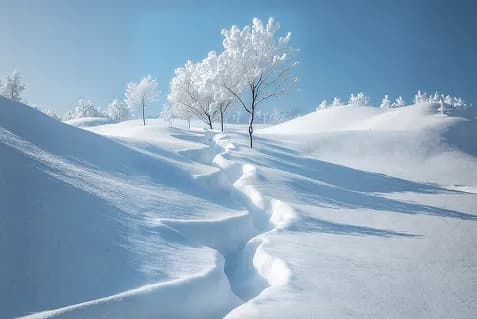




What changes in a landscape when everything is white, and how to learn to read it.
Outline
In summer a forest is a wall of green. In winter it is a text. Tracks, bark scrapes, snow-laden branches and the shape of a hollow all say something about who passed and when.
Trackers read the age of a footprint by the crispness of its edges and the glaze on its floor. Overnight frost gives a print a crust. A midday print is soft at the rim. A fox walks in a line, a deer wanders, a hare doubles back on itself to confuse pursuers.
The first rule is to stop. Most of us move through woods at the pace of a commute. Standing for five minutes at a track junction teaches more than an hour of walking.
After a season of practice, a snowy path stops being scenery. It becomes a conversation among animals that you are, quietly, allowed to overhear.
Field correspondent for mountains, coasts and anything under snow.
Four days on the ice with the people who measure how fast it is leaving.
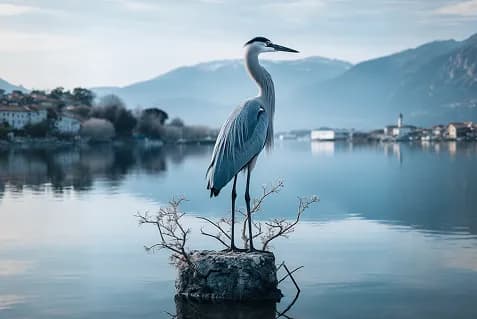
A single bird, a frozen lake and the stubborn logic of staying.
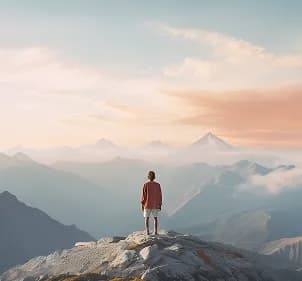
We turned back three hundred metres below the top. It was the best decision of the trip.

0 comments
Loading…
Join the conversation
Please sign in or create a free account to comment.