 Marginly.
Learning to read a glacier
Four days on the ice with the people who measure how fast it is leaving.

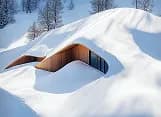



Four days on the ice with the people who measure how fast it is leaving.
Outline
We left the hut at five, roped in teams of three, boots biting the crust. The glacier does not look like it moves. It looks like a very large, very cold motorway stopped at a bend. But the stakes the team had drilled in autumn were two metres lower down the slope than they had been a year ago.
Measuring is slow, repetitive work. Someone calls out a number, someone writes it down, and the third person checks it against last year's. The most important instrument of the trip is a notebook with a pencil tied to it.
Cores drilled from older glaciers hold layers: ash from volcanoes, soot from industry, pollen from forests that no longer exist. Reading them is like reading a diary written by someone who never edited.
You have read the free preview (3 of 5 parts). Support independent writing and keep reading.
Field correspondent for mountains, coasts and anything under snow.
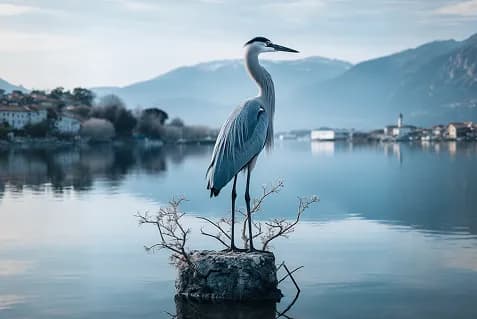
A single bird, a frozen lake and the stubborn logic of staying.
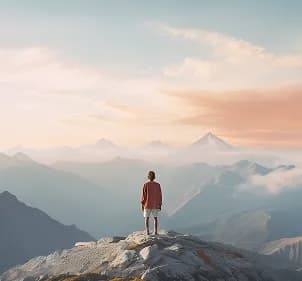
We turned back three hundred metres below the top. It was the best decision of the trip.
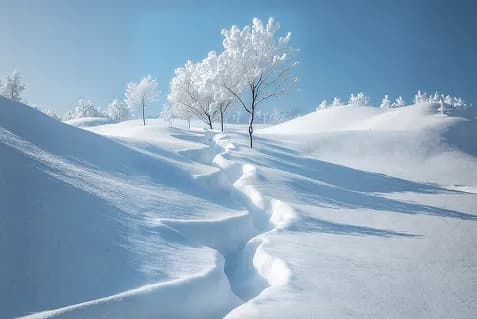
What changes in a landscape when everything is white, and how to learn to read it.


0 comments
Loading…
Join the conversation
Please sign in or create a free account to comment.