 Marginly.
What happened to the concrete stairwell
A short ode to the part of the building where people used to meet.






A short ode to the part of the building where people used to meet.
Outline
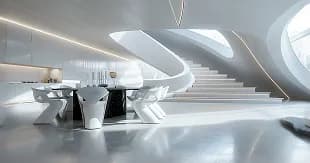
In the housing blocks of the sixties, the stairwell was a room. It had windows, a landing wide enough for a chair, and a radiator that worked. Children played there on wet days and neighbours borrowed eggs.
Modern codes treat stairs as an escape route. They are narrow, fire-rated and lit by sensors that switch off if you stand still. Efficient, yes, but nobody lingers, and a building without lingering is a building without neighbours.
A handful of architects are quietly reversing the trend. In a Rotterdam block, a stair now widens at every third floor into a south-facing window seat. In Lisbon, a developer lets residents paint their own landing. Complaints about noise fell, because people knew who made it.
A building's character is rarely in its lobby. It is in the places you pass through daily, and what those places invite you to do while you pass.
Topics
Urban reporter. Spends his days on night buses, in planning meetings and on rooftops.

Route 9 carries six hundred passengers after midnight. Nobody wants to pay for it, and nobody can do without it.
Fifteen is the slogan. Nine is the number residents actually use when they say a neighbourhood works.
The weather defeated most of them. The ones that survived share three habits.



0 comments
Loading…
Join the conversation
Please sign in or create a free account to comment.