 Marginly.
Search engines learned to answer. Then we stopped asking.
When the answer arrives before the question is finished, what happens to curiosity?

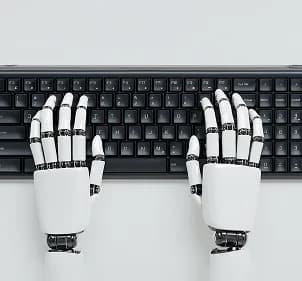




When the answer arrives before the question is finished, what happens to curiosity?
Outline
A decade ago, finding something online meant a small expedition. You tried a phrase, read three sites, and ended up somewhere unexpected. The route was clumsy, and it taught you the shape of a subject.
Today the answer is a sentence at the top of the page, sometimes before you finish typing. It is faster and often right. But teachers report a change: students arrive with conclusions and no map.
Cognitive scientists distinguish between knowing a fact and knowing its neighbourhood. The first helps you pass a quiz. The second helps you spot a lie. Detours build neighbourhoods.
We do not need to abandon the shortcut. We need to teach the habit of asking a second question, the one the machine did not volunteer.
Technology writer and former engineer. Interested in what software does to attention.

We keep being told to train our focus. The better question is who built the room we are trying to focus in.

How a volunteer accountant's file became the most important piece of software in a valley of four hundred people.

A Saturday in a church hall where toasters come back to life.



0 comments
Loading…
Join the conversation
Please sign in or create a free account to comment.